Custom PCB Design Radiocord Technologies: A Detailed Guide to Electronic Innovation
In a world where smart devices and connected technologies dominate daily life, the backbone of every breakthrough electronic product is its printed circuit board. Among companies enabling businesses to bring products from concept to production with custom hardware mastery, Radiocord Technologies stands out for its holistic approach to custom PCB design and end‑to‑end product development. Founded in 2020, this Canada‑based design house has helped innovators across multiple industries build efficient, reliable, and production‑ready electronics devices.
1. What is Custom PCB Design? A Simple Overview
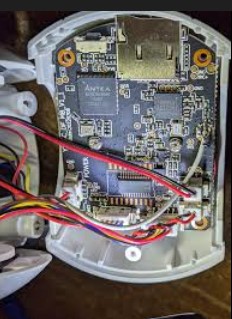
When someone talks about a printed circuit board (PCB), they are referring to the foundational component that physically connects and supports all electronic parts in a device. A PCB replaces messy wiring with well‑organized copper traces, enabling a device to operate reliably. A custom PCB means exactly that: a board designed specifically for a particular application, rather than using a generic or off‑the‑shelf board.
A custom design is tailor‑made for performance, size, power, cost, and functionality based on exact product requirements. This is the essence of custom pcb design radiocord technologies — creating boards that aren’t just functional but optimized for the needs of each product. Custom PCBs can range from simple 2‑layer boards for low‑power circuits to complex multilayer designs with RF, analog, and digital circuits all working in harmony.
2. Meet Radiocord Technologies: Company with an Electronics Vision
Radiocord Technologies is positioned not just as a PCB designer but as a partner in delivering complete electronics products from scratch. Established in 2020, the company’s mission has been clear: to help startups, businesses, and innovators transform ideas into real, manufacturable devices. Radiocord specializes in a broad range of solutions including hardware design, firmware, IoT systems, embedded AI, and custom PCB design services.
Rather than acting as a service vendor that only draws PCB layouts, Radiocord immerses itself in the full lifecycle — from client ideation and proof‑of‑concept to engineering validation and mass production readiness. Their portfolio spans consumer electronics, logistics tech, industrial automation, aviation solutions, and more.
3. A Close Look at Radiocord’s PCB Design Services
Radiocord approaches custom pcb design radiocord technologies with a broad and technically sound methodology that covers almost every type of board requirement.
Unlike simple, point‑solution services, their PCB offerings can be grouped into the following design categories:
Analog Boards
Analog PCB design focuses on continuous electrical signals like sensor data or audio signals. These boards demand careful layout work to avoid electrical noise and ensure accuracy.
Mixed‑Signal Boards
Many contemporary devices (like industrial automation systems and smart controllers) require both digital logic and analog signal handling on the same board. Radiocord’s engineers merge these domains efficiently while minimizing interference.
RF Designs
For wireless communication — whether it’s BLE, Wi‑Fi, cellular, or long‑range IoT protocols — RF‑oriented PCB design is essential. Radiocord brings precision to impedance‑controlled traces and antenna layouts.
Multilayer Boards
High‑performance systems often require more than just two layers. Multilayer designs allow dense routing, better grounding, and improved signal integrity which are critical for advanced industrial and telecom applications.
Each of these services is not just about board layout; they include electrical design validation, production‑ready design choices, and compliance with manufacturing standards. Boards are created with detailed Bills of Materials (BoM), fabrication files, and design-for‑manufacturing considerations already integrated.
4. The PCB Development Journey: From Concept to Production
Radiocord’s process doesn’t end with creating a schematic or routing traces. Instead, each PCB project follows a thorough engineering journey. Understanding this process is crucial to appreciating how custom pcb design radiocord technologies delivers value beyond simple design.
Step 1: Concept & Requirement Gathering
Before turning any board design into reality, Radiocord engineers work closely with the client to understand product goals, target markets, functional expectations, and performance criteria. This collaborative phase ensures the electronics architecture fits business needs.
Step 2: Feasibility Assessment
Once the idea is clear, engineers conduct feasibility studies to evaluate the technical and cost viability of the proposed solution. This includes choosing suitable microcontrollers, sensors, communication modules, and power strategies.
Step 3: Schematic Creation
Using industry‑standard CAD tools, the team creates a detailed schematic. The schematic serves as the foundational blueprint defining how components are electrically connected. It is also in this stage that engineers decide on component footprints, reference design usage, and power distribution strategies.
Step 4: PCB Layout and Routing
This is where schematic intelligence is translated into physical form. Engineers place components on a board outline, route signal paths, design ground and power planes, and ensure signal integrity. They also consider thermal management and manufacturability.
Step 5: Prototyping
Before committing to large runs, prototype boards are fabricated and assembled. These first iterations are critical because they allow functional tests, firmware integration, performance measurement, and early fixes.
Step 6: Testing and Validation
Prototypes undergo rigorous testing including electrical tests, environmental validations, and compliance checks. Tests help ensure that the PCB operates reliably under stress and environmental variations.
Step 7: Production Readiness
Only when a board design meets all technical and regulatory requirements does it move toward small batch or mass production. This includes design for test (DFT), design for manufacturing (DFM), and quality assurance planning.
5. Technologies That Power Radiocord PCBs
Part of what makes custom pcb design radiocord technologies successful is the robust technology stack behind each design. Radiocord utilizes:
- Powerful embedded microcontrollers and processors tailored to application needs.
- Wireless connectivity standards like Wi‑Fi, LoRa, NB‑IoT, Bluetooth for connected devices.
- Firmware and OS environments configured for efficiency and real‑time control.
- Integration of edge AI capabilities where devices can run intelligent algorithms locally, without cloud dependencies.
6. Example Projects and Use Cases
Radiocord’s case studies showcase how custom PCB design has enabled real products:
| Project Name | Board Type | Industry | Purpose |
|---|---|---|---|
| Aviation Solution | 8‑layer mixed signal | Aviation | Real‑time weather & traffic monitoring device |
| Industrial Ventilation Controller | Custom PCB with PIC controllers | Industrial | Automated environmental control |
| Connected Logistics IoT Device | Custom board with peripherals | Logistics | Asset tracking and communication |
| DSP Audio EVM Board | Evaluation board | Consumer Tech | Audio noise cancellation development |
These projects illustrate the depth of board complexity — from RF and embedded systems to industrial IoT and telecom — that Radiocord can tackle using custom pcb design radiocord technologies expertise.
7. Benefits of Choosing Radiocord for Custom PCB Design
Working with Radiocord delivers benefits beyond just a finalized board:
Tailored Solutions
Each PCB is specifically engineered for product vision, performance, and use case.
Cross‑Disciplinary Integration
Because Radiocord combines PCB design with firmware, AI, mechanical design, and manufacturing readiness, clients get a complete product—not just a board.
Efficiency and Speed
With a streamlined development process and experience across multiple industries, devices are designed, validated, and ready for production quicker than if pieced together through multiple vendors.
Scalable Production
Radiocord supports small pilot runs and scales up to larger production orders as the product proves market readiness.
8. The Future of Custom PCB Design
Custom electronics is evolving rapidly as devices become smarter and more connected. With trends like edge AI, predictive maintenance, and Industry 4.0, the demand for tailored circuit boards optimized for performance, energy efficiency, and connectivity will only grow. In this dynamic landscape, companies like Radiocord that blend engineering expertise with real‑world product development experience are crucial partners for innovators seeking to bring high‑quality products to life.
Conclusion
In conclusion, custom pcb design radiocord technologies represents not simply a service category but a story of how electronics innovation can be realized efficiently, intelligently, and collaboratively. Whether you’re a startup with an idea or an enterprise seeking a production‑ready electronics platform, the combination of deep engineering knowledge, systematic development processes, and technology integration from Radiocord can accelerate your product journey from concept to market success.