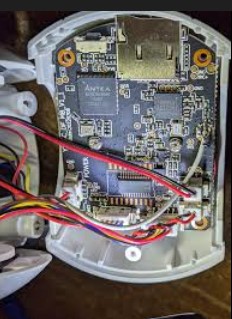
Anyka Yi Camera Chipset Hack: Complete Guide to Unlocking Features, Firmware Modding, and Camera Customization
Modern smart security cameras have become extremely popular because they allow people to monitor homes, offices, and other locations remotely through mobile apps. Many affordable IP cameras use specialized processors that handle video processing and networking. One of the most common processors used in low-cost cameras is the Anyka chipset.
The phrase “anyka yi camera chipset hack” refers to the process of modifying the internal software or firmware of Yi-style cameras that use an Anyka processor. By hacking or customizing the system, users can unlock additional capabilities, remove cloud restrictions, and gain more control over their devices.
This detailed guide explains the concept of anyka yi camera chipset hack, how these cameras work internally, why enthusiasts modify them, and the methods used to explore and customize their firmware.
Introduction to Anyka Yi Camera Chipset Hack
An anyka yi camera chipset hack involves analyzing and modifying the internal system of a security camera powered by an Anyka system-on-chip (SoC). These chips are widely used in inexpensive IP cameras because they combine several essential components into a single processor.
Inside many budget Wi-Fi cameras, the Anyka chipset handles video capture, compression, networking, and device control. The camera firmware usually runs a lightweight Linux system that manages all the hardware components. Because the operating system is Linux-based, researchers and hobbyists often attempt to modify it to unlock new features.
The goal of an anyka yi camera chipset hack is not always malicious. In many cases, users want to gain full ownership of their hardware. Manufacturers often restrict the device so it only works with their cloud services or proprietary apps. By modifying the firmware, users can operate the camera independently without relying on external servers.
For example, some hacks allow users to stream video locally through open protocols instead of sending footage through a remote cloud platform.
Overview of Yi Cameras and Anyka Chipsets
To understand the concept of anyka yi camera chipset hack, it is important to first understand the hardware used in these cameras.
Yi-style cameras are widely sold as smart home surveillance devices. They include features such as motion detection, night vision, and remote viewing. Many of these cameras are built using Anyka AK3918 or related chipsets, which combine a processor, video encoder, and network interface into one compact unit.
These chipsets are popular because they provide high functionality at a low manufacturing cost.
Typical Features of Anyka Camera Chipsets
| Hardware Component | Description |
|---|---|
| Processor | ARM-based embedded CPU |
| Video Processing | H.264 / H.265 video encoding |
| Networking | Wi-Fi or Ethernet connectivity |
| Storage | MicroSD card support |
| Operating System | Embedded Linux |
| Interfaces | SPI, UART, USB, GPIO |
Because the system runs Linux, developers can theoretically access the system console, modify startup scripts, and run custom software.
Many low-cost cameras also use similar hardware layouts that include the following components:
- Anyka system-on-chip processor
- flash memory storing the firmware
- Wi-Fi communication module
- image sensor for video capture
- SD card slot for recording footage
Understanding these components helps explain how hacking and firmware modification works.
Why People Perform Anyka Yi Camera Chipset Hacks
There are several reasons why developers and security researchers explore anyka yi camera chipset hack techniques.
Many inexpensive cameras rely heavily on cloud services to function. While this design is convenient for beginners, it limits flexibility for advanced users. Some people want full control over their devices without sending data to external servers.
Another common reason is the desire to unlock hidden features. Manufacturers sometimes disable functions in firmware even though the hardware supports them.
Common Motivations for Hacking Yi Cameras
- Enable direct RTSP video streaming
- Remove dependency on cloud servers
- Improve privacy and data control
- Integrate cameras with home automation systems
- Experiment with embedded Linux systems
- Research IoT security vulnerabilities
In some cases, researchers discover that the firmware already contains unused features such as FTP servers or command-line tools that can be activated with small modifications.
Understanding the Internal Architecture of Anyka Cameras
Before performing any anyka yi camera chipset hack, it is useful to understand how the camera’s internal software system operates.
When the camera is powered on, several steps occur in sequence. First, the bootloader starts the hardware initialization process. The bootloader then loads the Linux kernel stored in the flash memory. After the kernel loads, the system launches background services responsible for camera functions.
These services typically manage:
- video encoding
- motion detection
- Wi-Fi connectivity
- recording to SD card
- communication with mobile apps
Because the system is Linux-based, many of these functions are controlled by scripts or executables located inside the root filesystem.
A simplified architecture of a typical Anyka camera looks like this:
| System Layer | Function |
|---|---|
| Bootloader | Initializes hardware and loads Linux |
| Linux Kernel | Core operating system |
| System Services | Camera control and networking |
| Applications | Streaming, recording, motion detection |
| Cloud Interface | Mobile app communication |
Once hackers gain access to the system shell, they can modify these layers to change the camera’s behavior.
Common Methods Used in Anyka Yi Camera Chipset Hack
There are several techniques used to modify these cameras. Some methods are simple and reversible, while others involve deeper firmware changes.
The most common approach used by beginners is the SD card boot hack.
SD Card Hack Method
In this technique, special scripts and software are stored on a microSD card. When the camera boots, it automatically loads and runs these scripts.
This method works because many cameras check the SD card during startup and execute initialization files if they exist.
Researchers often use this technique to enable additional services such as:
- web management interface
- RTSP streaming server
- FTP file transfer
- command-line access
An advantage of this approach is that it does not permanently modify the firmware. The camera returns to its original state simply by removing the SD card.
Firmware Modification
More advanced forms of anyka yi camera chipset hack involve modifying the firmware stored in flash memory.
The process generally follows several technical steps:
- Extract the firmware from the camera’s flash storage
- Analyze the firmware using reverse-engineering tools
- Modify configuration files or executable programs
- rebuild the firmware image
- flash the modified firmware back to the device
Developers often use tools such as binwalk and SquashFS utilities to unpack the firmware file system and explore its contents.
This approach allows permanent customization of the camera but carries higher risks.
Accessing the Camera Through Network Services
After gaining system access, hackers often enable network services that were disabled by the manufacturer.
These services provide convenient ways to control the camera remotely.
Common Services Enabled After Hacking
| Service | Purpose |
|---|---|
| Telnet | Command-line remote access |
| FTP | File transfer and configuration editing |
| HTTP | Web-based control panel |
| RTSP | Direct video streaming |
For example, RTSP allows the camera to send video streams directly to video players or network video recorders.
A typical RTSP stream address may look like this:
rtsp://CAMERA-IP:554/video0_unicast
Once enabled, the camera can be integrated with surveillance software such as MotionEye or other monitoring platforms.
Hardware Reverse Engineering of Anyka Cameras
Sometimes software access alone is not enough. In those cases, developers perform hardware analysis.
Hardware reverse engineering begins by opening the camera enclosure and examining the internal circuit board. Engineers search for debugging ports that provide direct access to the system.
Many Anyka cameras contain UART debugging pins that allow connection to a serial console. Once connected using a USB-to-TTL adapter, developers can observe boot messages and interact with the system.
Typical boot messages reveal useful information such as:
- bootloader version
- kernel version
- memory layout
- system partitions
For example, researchers have identified the U-Boot bootloader and Linux kernel running on Anyka camera boards during startup analysis.
This information helps developers understand how the system loads and how to modify it safely.
Tools Commonly Used for Anyka Camera Hacking
Performing an anyka yi camera chipset hack usually requires both software and hardware tools.
The following table summarizes some commonly used tools.
| Tool | Function |
|---|---|
| Binwalk | Firmware extraction and analysis |
| SquashFS Tools | Decompress Linux filesystems |
| Telnet Client | Remote shell access |
| Wireshark | Network traffic analysis |
| USB-TTL Adapter | Hardware serial console |
| Flash Programmer | Reading and writing flash memory |
These tools allow researchers to study the camera firmware and understand how its software operates.
Risks and Security Considerations
Although hacking can unlock useful capabilities, it also involves certain risks.
Incorrect firmware modification can permanently damage the camera, a condition commonly referred to as “bricking” the device. Additionally, enabling insecure services may expose the camera to cyber attacks if it is connected to the internet.
Other potential issues include:
- loss of manufacturer warranty
- compatibility problems after firmware updates
- accidental deletion of critical system files
Because of these risks, it is recommended that experimentation be performed carefully and only on non-critical devices.
Legal and Ethical Considerations
The concept of anyka yi camera chipset hack should always be approached responsibly.
Modifying hardware that you own is generally acceptable in many regions. However, accessing devices without permission or distributing copyrighted firmware may violate laws or licensing agreements.
Ethical hacking focuses on research, security improvement, and personal experimentation rather than unauthorized access.
Responsible practices include:
- experimenting only on devices you own
- sharing research responsibly
- respecting privacy and legal boundaries
Real-World Applications of Anyka Camera Hacks
When successfully modified, these cameras can become powerful tools for advanced projects.
Many enthusiasts integrate hacked cameras into custom surveillance systems that operate entirely within a local network.
Examples of real-world uses include:
| Application | Description |
|---|---|
| Home Security Systems | Self-hosted video monitoring |
| Smart Home Automation | Integration with automation platforms |
| AI Video Analysis | Motion or object detection |
| DIY Robotics | Camera vision systems |
| Research Projects | IoT security testing |
With the right modifications, even inexpensive cameras can be transformed into highly flexible monitoring devices.
Future of Anyka Camera Chipset Hacking
The field of IoT device research continues to evolve. Manufacturers are gradually implementing stronger security features such as encrypted firmware and secure boot systems. These improvements make hacking more difficult but also increase device security.
At the same time, open-source communities continue to study embedded systems to improve transparency and control over consumer electronics.
As long as affordable smart cameras exist, the topic of anyka yi camera chipset hack will remain an active area of research for developers, hobbyists, and security professionals.