Degloved Face Explained: Causes, Treatment, Recovery & Risks (Complete Guide)
1. Introduction to Degloved Face
A degloved face is one of the most serious and complex types of injuries that can affect the human body. It is not a common injury, but when it happens, it requires immediate medical attention and advanced treatment. Many people are unfamiliar with this condition, which is why understanding it in simple terms is important.
In basic language, a degloved face refers to a situation where the skin and soft tissues of the face are forcefully separated from the underlying structures such as muscles and bones. This type of trauma is often caused by severe accidents or high-impact forces.
The keyword “-” may not directly represent a medical term, but it can be naturally associated in discussions about complex injuries like this, especially when describing gaps, separation, or breaks in tissue structure.
2. What is a Degloving Injury?
A degloving injury occurs when the skin and the layer beneath it are torn away from deeper tissues. The term “degloving” comes from the idea of removing a glove from a hand. Similarly, in this injury, the skin is pulled away from the body.
This condition can happen in different parts of the body, but when it affects the face, it becomes more critical due to the presence of vital structures such as nerves, blood vessels, and sensory organs.
Degloving injuries can be classified into two main categories:
- Open degloving: where the skin is visibly torn and underlying tissues are exposed
- Closed degloving: where the skin appears intact but is internally separated
Both types are serious, but open injuries are more visually obvious and require urgent care.
3. Understanding Degloved Face
A degloved face is different from other injuries because the face is highly sensitive and contains essential features for communication, breathing, and eating. Even a small injury can have a major impact, so a severe injury like this is extremely complex.
The face includes multiple regions such as:
- Forehead
- Cheeks
- Nose
- Eyelids
- Lips
When a degloving injury affects these areas, it may disrupt both appearance and function. This makes treatment not only life-saving but also reconstructive in nature.
4. Types of Degloving Injuries
Degloving injuries can be better understood by dividing them into types.
Open Degloving
In this type, the skin is visibly separated from the face. There is often heavy bleeding and exposed tissues.
Closed Degloving
This type is more hidden. The skin remains intact, but the underlying tissue is detached. It may cause swelling and internal damage.
Partial vs Complete Degloving
- Partial: Some parts of the skin remain attached
- Complete: The skin is fully separated
5. Causes of Degloved Face
A degloved face is usually caused by strong physical forces. These forces create a pulling or tearing effect on the skin.
Common causes include:
- Road accidents, especially involving motorcycles
- Industrial or machinery accidents
- Animal attacks
- Falls from height
- Violent physical trauma
The severity of the injury often depends on the speed and intensity of the impact.
6. How a Degloved Face Happens (Mechanism)
The main cause behind a degloved face is something called a shearing force. This happens when two layers of tissue move in opposite directions.
For example, if a person’s face is dragged across a surface during an accident, the skin may stay in contact with the surface while the rest of the body moves. This creates a pulling force that separates the skin.
This process damages:
- Blood vessels, causing bleeding
- Nerves, leading to loss of sensation
- Muscles, affecting movement
7. Signs and Symptoms
The symptoms of a degloved face can vary depending on the severity of the injury.
Common signs include:
- Severe and immediate pain
- Heavy bleeding
- Visible tearing of skin (in open cases)
- Swelling and bruising
- Numbness or loss of feeling
- Difficulty speaking or eating
In closed injuries, symptoms may be less obvious but still serious.
8. Why Degloved Face is Dangerous
This condition is considered life-threatening due to multiple risks.
The main dangers include:
- Excessive blood loss
- High risk of infection
- Tissue death due to lack of blood supply
- Permanent facial damage
- Emotional and psychological trauma
The face is also close to the airway, so breathing complications may occur.
9. Diagnosis of Degloved Face
Doctors use several methods to diagnose this injury.
These include:
- Physical examination to assess visible damage
- Imaging tests such as CT scans or MRI
- Evaluation of nerve and blood vessel function
Closed degloving injuries are harder to detect and often require advanced imaging.
10. Emergency Treatment and First Response
Immediate medical care is essential.
First response steps usually involve:
- Controlling bleeding
- Keeping the airway open
- Stabilizing the patient
- Preventing infection
Quick action can significantly improve survival chances.
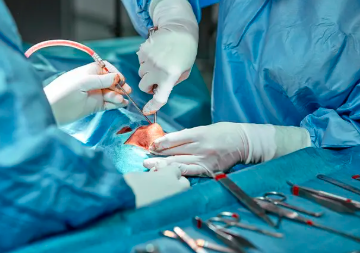
11. Surgical Treatment Options
Treatment for a degloved face is complex and often involves multiple surgeries.
Main Surgical Methods
| Treatment Type | Description |
|---|---|
| Reattachment | Reconnecting the original skin if possible |
| Skin Grafting | Using skin from another part of the body |
| Reconstructive Surgery | Rebuilding facial structure over time |
| Debridement | Removing dead or damaged tissue |
Doctors choose the method based on the severity and condition of the tissue.
12. Recovery Process
Recovery from a degloved face is long and requires patience.
It usually includes:
- Hospital care and monitoring
- Pain management
- Regular wound cleaning
- Physical therapy for facial movement
- Psychological support
Healing can take weeks to months, depending on the injury.
13. Complications and Risks
Even after treatment, complications may occur.
These include:
- Infection
- Scarring
- Loss of facial movement
- Nerve damage
- Permanent disfigurement
Proper care reduces these risks but cannot eliminate them completely.
14. Long-Term Effects on Life
A degloved face can have a lasting impact on a person’s life.
Patients may experience:
- Changes in appearance
- Reduced confidence
- Emotional stress
- Need for multiple surgeries
Support from family and professionals plays a key role in recovery.
15. Prevention Tips
Although not all accidents can be avoided, certain precautions can reduce risk.
Important safety measures include:
- Wearing helmets while riding motorcycles
- Following workplace safety rules
- Using protective gear
- Staying alert in risky environments
Prevention is always better than treatment.
16. Real-Life Cases and Medical Advances
Modern medicine has made significant progress in treating severe injuries like a degloved face.
Advanced techniques such as microsurgery and tissue reconstruction have improved outcomes. Many patients today can recover both function and appearance to a large extent.
17. Conclusion
A degloved face is a rare but extremely serious injury that requires immediate and expert medical care. Understanding its causes, symptoms, and treatment options can help raise awareness and improve outcomes.
While the injury can be life-changing, modern medical advancements provide hope for recovery. With proper treatment and support, many patients can regain both function and confidence.
18. FAQs
1. What is a degloved face in simple words?
It is a condition where the skin of the face is pulled away from the underlying tissues due to severe trauma.
2. Can a degloved face be fully treated?
Treatment is possible, but full recovery depends on the severity of the injury.
3. Is it always life-threatening?
Yes, it can be life-threatening if not treated immediately due to bleeding and infection risks.
4. How long does recovery take?
Recovery can take several weeks to months and may involve multiple surgeries.
5. Can it happen without visible injury?
Yes, in closed degloving injuries, the damage may not be visible on the surface.